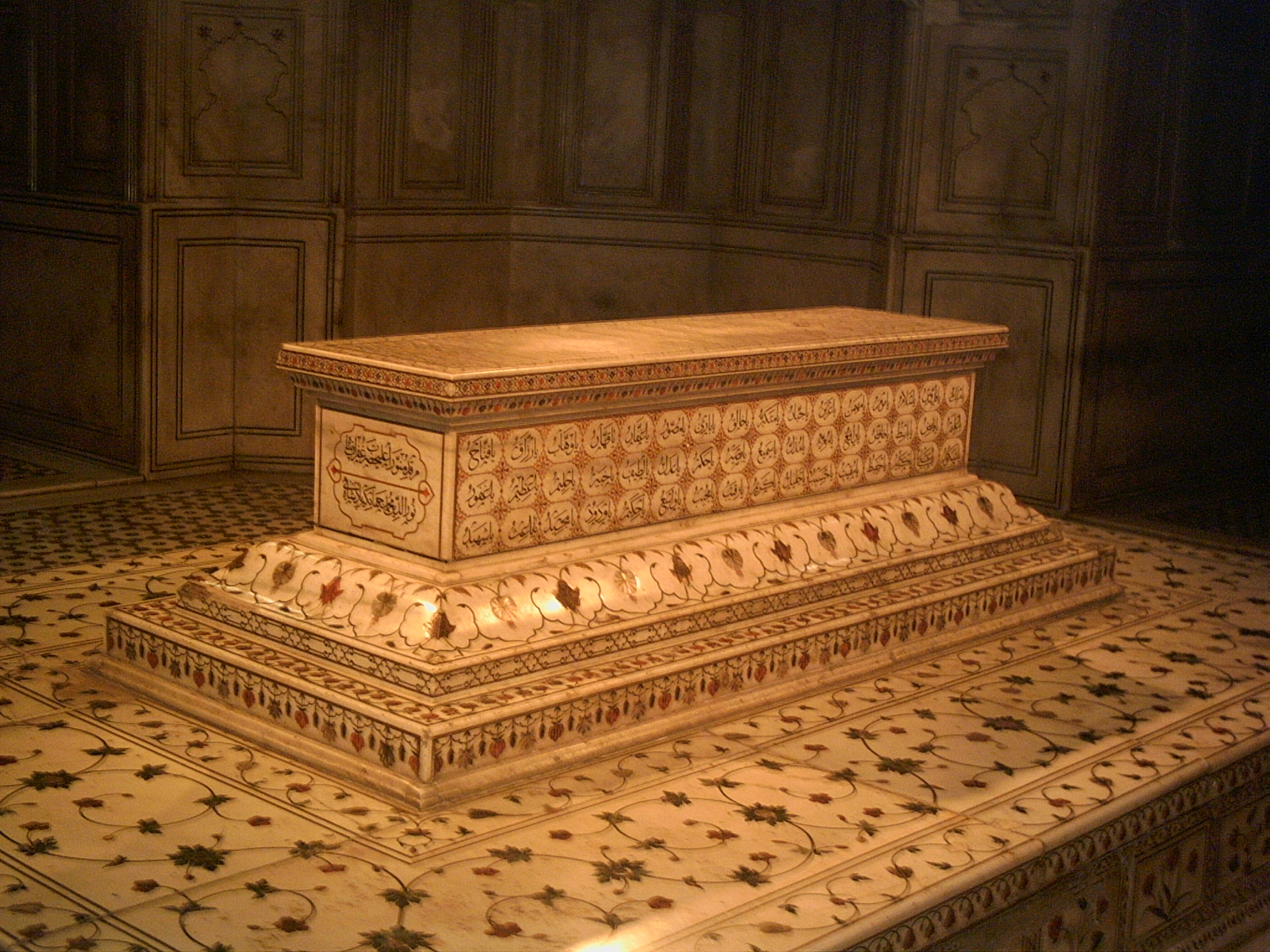
Tomb of Jahangir is the mausoleum built for the Mughal Emperor Jahangir who ruled from 1605 to 1627. The mausoleum is located near the town of Shahdara Bagh in Lahore, Pakistan. His son
Shah Jahan built the mausoleum 10 years after his father's death. It is sited in an attractive walled garden. It has four 30 meter high minarets. The interior is embellished with frescoes and pietra dura inlay and coloured marble. The mausoleum features prominently on the Pakistan Rupees 1,000 denomination bank note.
More Pics:
Harappa is an archaeological site in Punjab, northeast Pakistan, about 20 km (12 mi) west of Sahiwal. The site takes its name from a modern village located near the former course of the Ravi River, some 5 km (3 mi) southeast of the site. The site contains the ruins of a Bronze Age fortified city, which was part of the Cemetery H culture and the Indus Valley Civilization, centered in Sindh and the Punjab.[1] The city is believed to have had as many as 23,500 residents—considered large for its time. In 2005 a controversial amusement park scheme at the site was abandoned when builders unearthed many archaeological artifacts during the early stages of construction work. A plea from the prominent Pakistani archaeologist Ahmed Hasan Dani to the Ministry of Culture resulted in a restoration of the site.
More Pics:
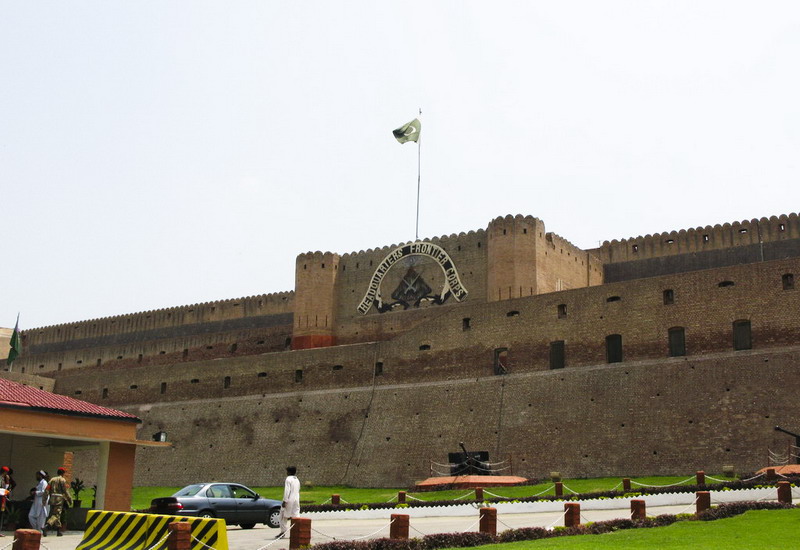
 Bala Hisar Fort is one of the most historic places of Peshawar. The word Bala Hisar is from Persian, meaning, “elevated or high fort”. According to Dr. Hussain Khan, the name was given by the Afghan King Taimur Shah Durrani (1773-1793). The Sikhs who conquered Peshawar in the early 19th century named it Samir Garh in 1834 but the name did not become popular. The Fort has been the headquarters of the Frontier Corps since 1949.
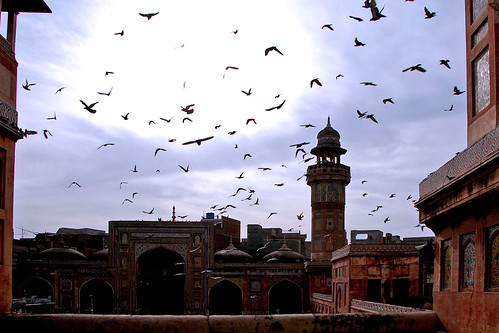
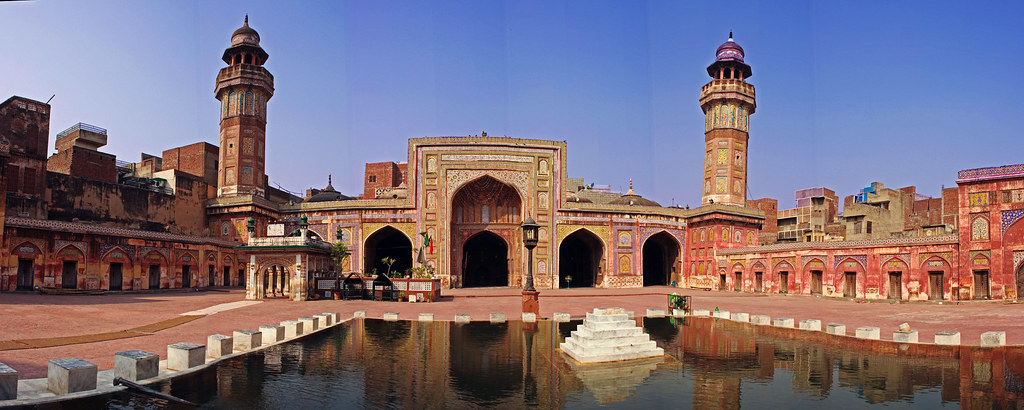
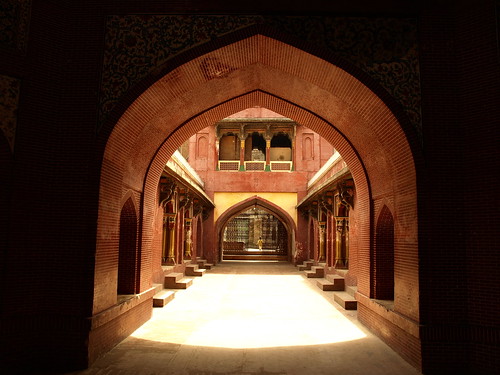
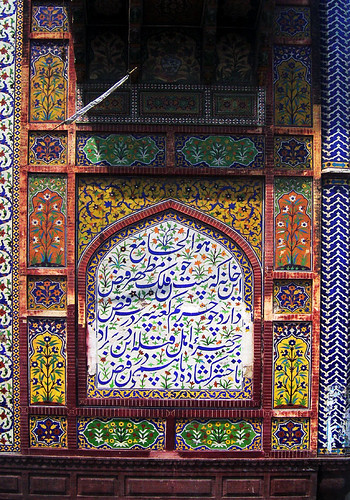
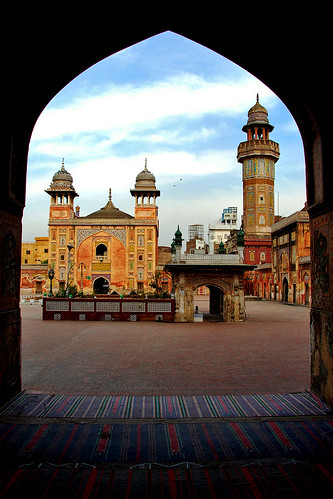
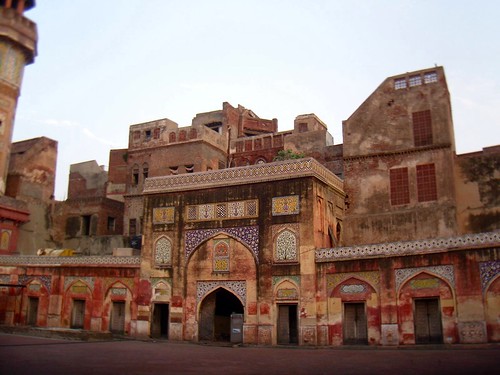
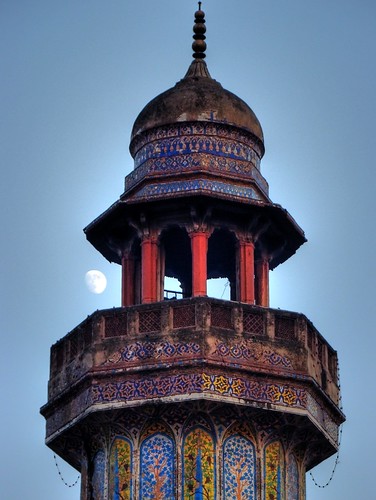
 The Wazir Khan Mosque in Lahore, Pakistan, is famous for its extensive faience tile work. It has been described as ' a mole on the cheek of Lahore'. It was built in seven years, starting around 1634-1635 A.D., during the reign of the Mughal Emperor Shah Jehan. It was built by Shaikh Ilm-ud-din Ansari, a native of Chiniot, who rose to be the court physician to Shah Jahan and later, the Governor of Lahore. He was commonly known as Wazir Khan. (The word wazir means minister in Urdu.) The mosque is located inside the Inner City and is easiest accessed from Delhi Gate.
 Nawaz Sharif is probably the worst leader pakistan has ever witnessed. He is worth more than a billion dollars and made that money by looting the country during his 2 terms as a prime minister. He is also charged with many corruption charges such as being charged, convicted and sentenced to 14 years imprisonment in 'Helicopter case'. The allegation was that he had not shown a helicopter as part of his assets. That helicopter, though had crashed a long time back. He was also convicted of hijacking and terrorism after he blocked Pervez Musharraf from landing his plane in Karachi in lieu of dismissing him from his COAS post. The Supreme Court of Pakistan, under the Provisional Constitutional Order, declared Musharraf’s dismissal unconstitutional, as the COAS as a constitutional appointee is afforded due process before dismissal. The Supreme Court of Pakistan, upholding the position of the Army, disqualified Nawaz Sharif from holding public office and participating in Pakistani politics for 21 years and fined him 20 million rupees. A plea bargain and intervention of the Saudi royal family spared Sharif from serving a prison term; instead he was exiled to the Saudi Kingdom. He's moves of removing the Chief of Army Staff once and attempting to do it again with Pervez Musharraf were illegal and showed his thirst for power. His government during his reign as PM was so corrupt that when the Army stopped him from trying to take over Pakistan the Pakistani population did not resist the army and neither intervened with their work. During the early 1990s, Sharif's administration also failed to arrest the 30 per cent fall in the value of the Pakistani Rupee from 21 to 30 to the US Dollar. Although he denies his involvement in the Kargil conflict, it is clear that such move cannot be taken without the prime minister's consent. Recently he is seen disrupting and destabilizing Pakistan's government so he gain fool our innocent population and gain their votes. But as long as there is justice in Pakistan his political future is already finished.
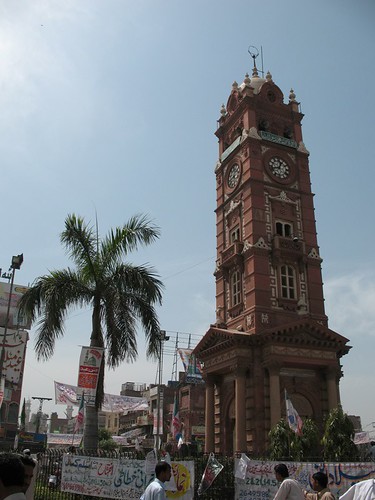
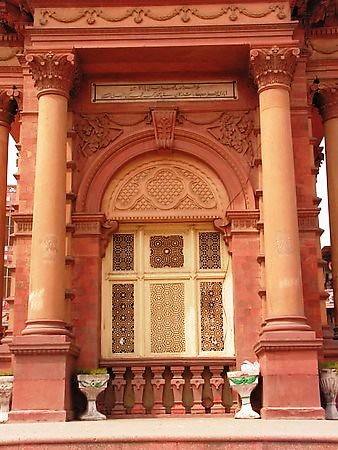
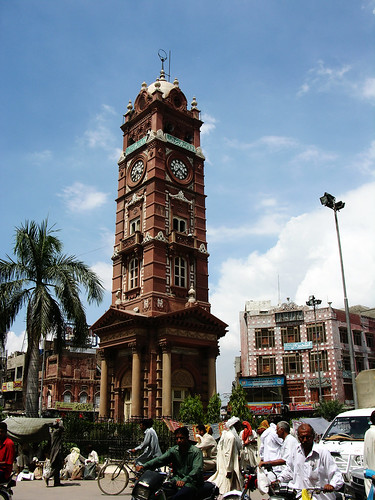
 The Faisalabad Clock Tower is a clock tower in Faisalabad, Punjab, Pakistan, and is one of the oldest monuments still standing in its original state from the period of the British Raj. It was built by the British, when they ruled much of the South eastern continent during the nineteenth century. The majestic Clock Tower of Lyallpur was constructed out of the funds raised by the Sikh Zamindars who collected it at a rate of Rs. 18 per square of land. The fund thus raised was handed over to the Municipal Committee which undertook to complete the project.
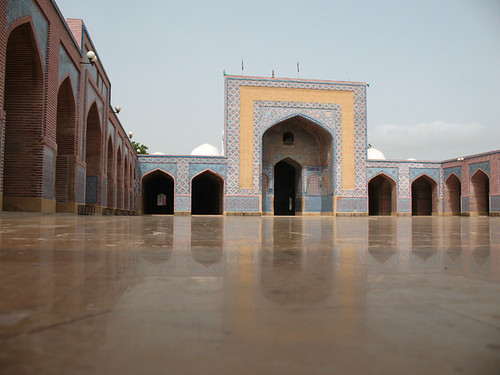
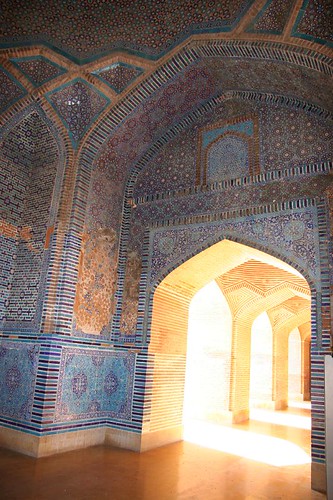
 The Shah Jahan Mosque was built in the reign of Mughal emperor Shah Jahan. It is located in Thatta, Sindh, Pakistan. In the town of Thatta (100 km / 60 miles from Karachi) itself, there is famous Shahjahani Mosque with its beautiful architecture. This mosque was built in 1647 during the reign of Mughal King Shahjahan, also known as the builder King. The mosque is built with red bricks with blue coloured glaze tiles probably imported from another Sindh's town of Hala. The mosque has overall 100 domes and it is world's largest mosque having such number of domes. It has been built keeping acoustics in mind. A person speaking inside one end of the dome can be heard at the other end
TO ADD A COMMENT CLICK ON THE COMMENTS LINK UNDER NEW POST


 Posts
Posts